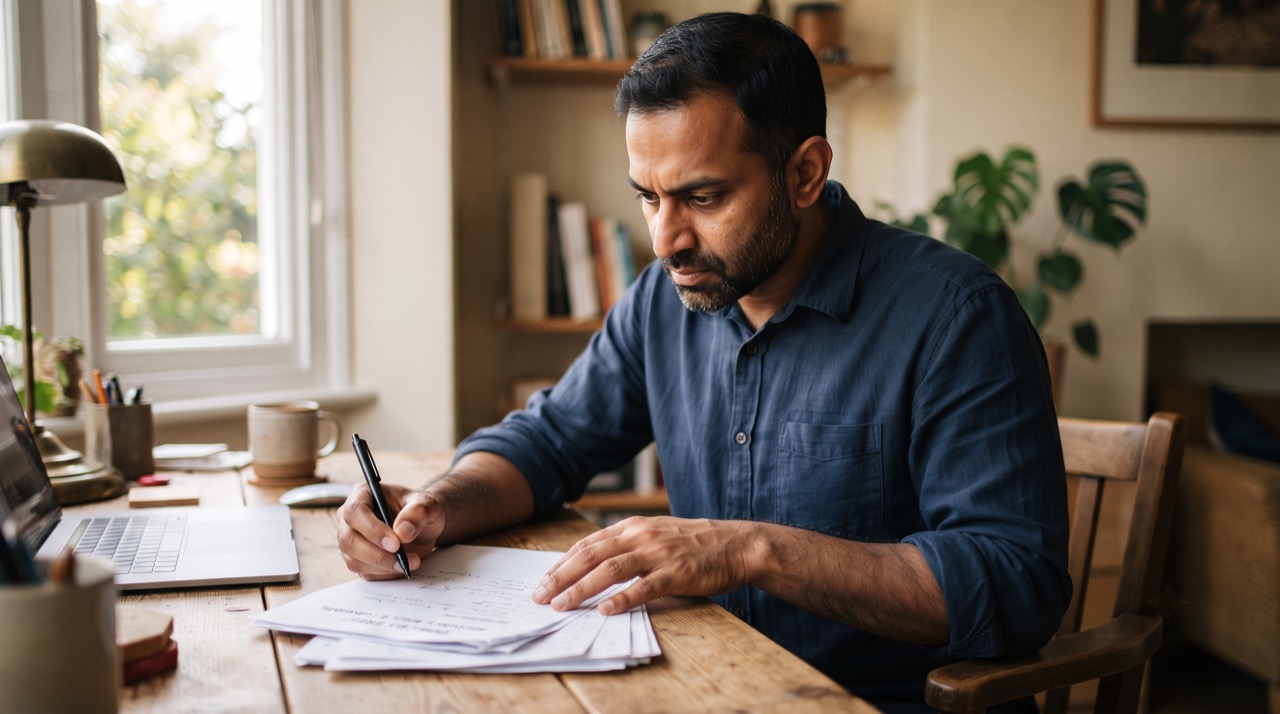
Across Lahore, Karachi, Faisalabad, and small towns in between, a quiet economic shift has been happening for over a decade: women running real, income-generating businesses without ever leaving home. No storefront, no big loan, often no business degree — just a skill, a phone, and consistency. The stories below are composites drawn from patterns seen again and again in home-based enterprises across Pakistan, and they hold practical lessons for anyone thinking about starting their own.
Three Familiar Paths to Karobar
The home baker. It usually starts small — a birthday cake for a cousin, then a neighbor's order, then a Facebook page with phone-shot photos of cupcakes on the dining table. Within a year, many home bakers are taking 15-20 orders a week, using WhatsApp for order confirmation and Easypaisa or JazzCash for advance payments. The turning point is almost always the same: switching from "bake when someone asks" to a fixed weekly order-cutoff day, which stops the kitchen from being chaos every single day.
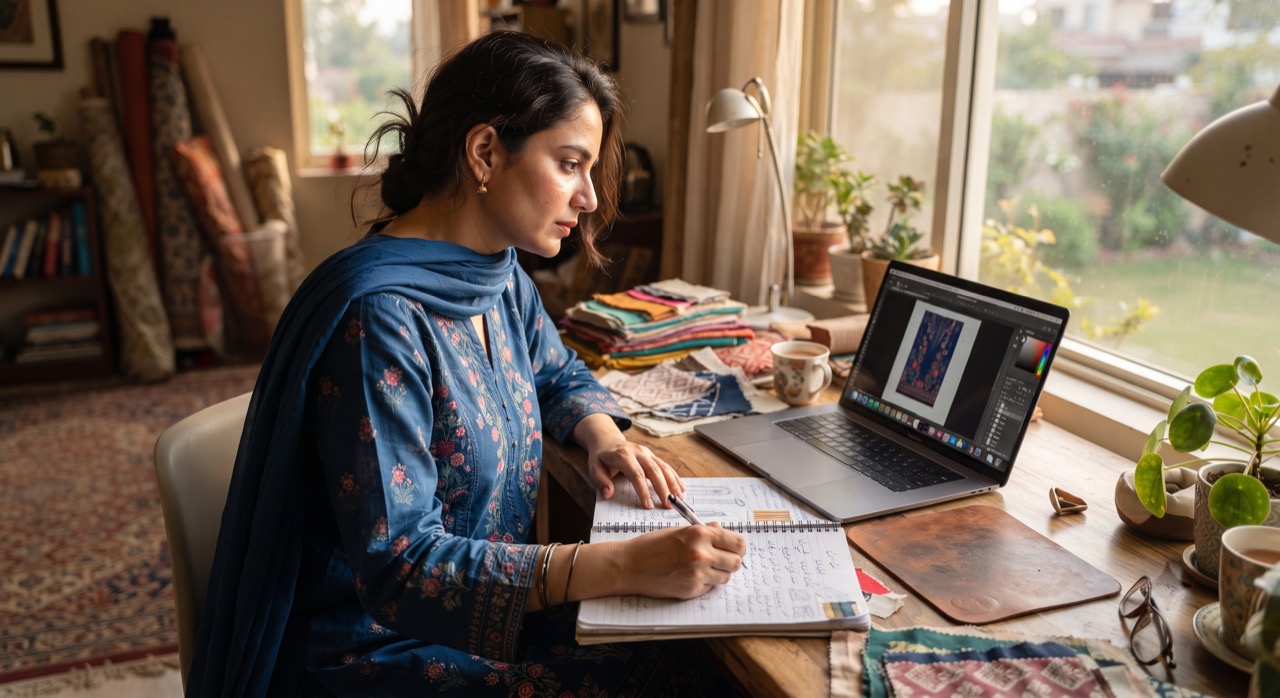
The stitching and boutique business. This is one of the oldest home-business traditions in Pakistan, and it has simply moved onto Instagram and Daraz. A woman who was stitching for family and friends starts posting finished suits, takes custom measurements over video call, and builds a repeat client base for Eid and wedding season. The ones who scale past "side income" typically hire one or two tailors to work under them once orders exceed what one pair of hands can manage — turning a skill into a small workshop.
The digital-skills earner. Increasingly common among younger women and graduates: freelance content writing, Amazon virtual assistant work, online tutoring for O/A Level students, or social media management for local shops. No product, no inventory — just a laptop, a stable internet connection, and a portfolio built one client at a time, often starting on Fiverr or through referrals in local Facebook groups.
What These Businesses Actually Have in Common
- They started with almost no capital — often under Rs. 10,000 — reinvesting early profit instead of waiting for a big loan.
- They picked one product or service and got good at it before expanding the menu or catalog.
- They treated WhatsApp Business and a Facebook/Instagram page as their storefront, since a physical shop was never the plan.
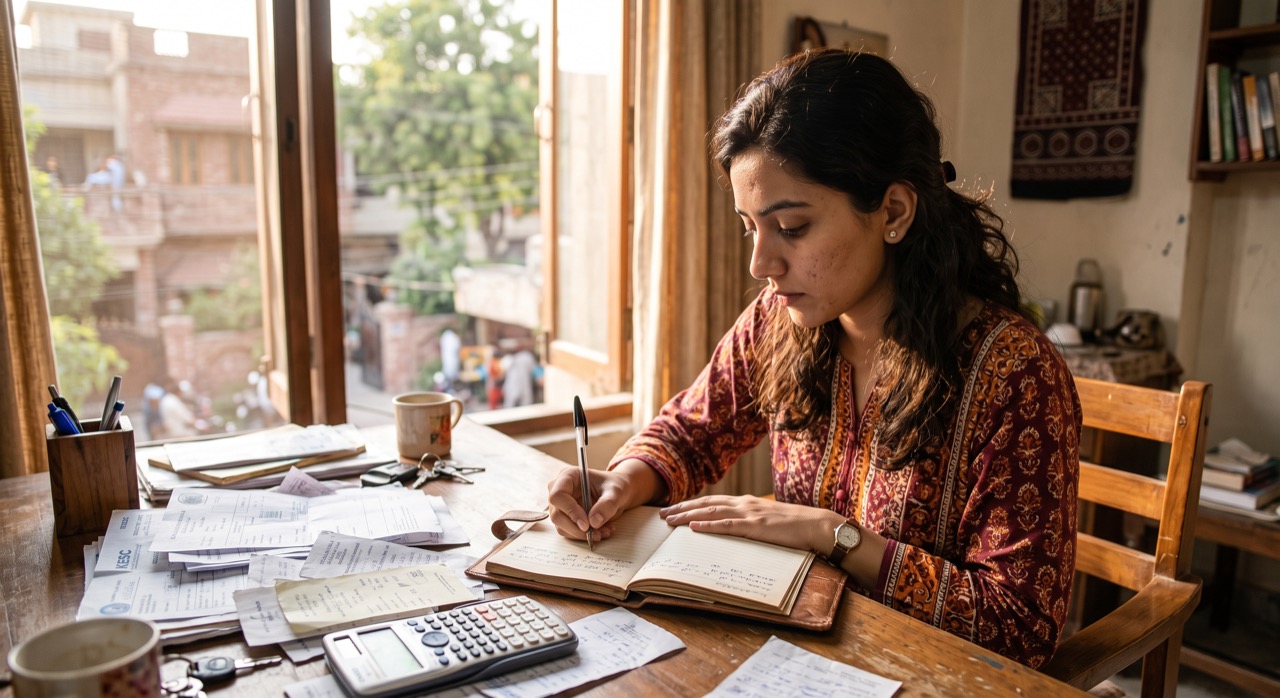
- They separated business money from household money early, even with a simple notebook ledger.
- They priced for profit, not just to cover ingredients or material — many undercharge in year one and correct it once they see real demand.
Practical First Steps If You're Starting Out
- Set up a dedicated WhatsApp Business number separate from your personal one, with a catalog and auto-reply for order hours.
- If you're selling physical products, register as a seller on Daraz Seller Center to reach buyers beyond your own social circle.
- Open a merchant or business account with JazzCash or Easypaisa so customers can pay digitally instead of relying only on cash on delivery.
- Look into small business support and registration guidance through SMEDA, Pakistan's official small and medium enterprise authority.
- If you need a small interest-free or low-cost loan to buy equipment, organizations like Kashf Foundation and Akhuwat specialize in microfinance for women-led home businesses.
- Keep a simple daily record of orders, expenses, and payments — even a notebook works, as long as it's consistent.
"I didn't start with a business plan. I started with one cake and a promise to myself that I'd take it seriously, even when it was just orders from relatives."
Handling the Real Challenges
Home businesses in Pakistan face genuine obstacles: inconsistent electricity affecting baking or production schedules, family members who don't take the work seriously until it earns real money, and the difficulty of scaling past a one-person operation. The women who push through usually do three things — they set boundaries around work hours even at home, they reinvest the first few months of profit into better tools or packaging instead of spending it, and they stop waiting for permission to call it a "real business," because customers already do.
Roman Urdu
Pakistan mein bohat si aurtein apne ghar se hi acha khasa business chala rahi hain — bina dukaan ke, bina bade loan ke. Sirf ek hunar, mobile phone, aur roz ka consistency kaafi hota hai shuru karne ke liye.
Ghar ki bakery: Zyada tar shuruwaat ek cousin ke birthday cake se hoti hai, phir neighbor ka order aata hai, aur dekhte hi dekhte Facebook page ban jata hai. Weekly order-cutoff day set karna bohat zaroori hai, warna kitchen mein har roz chaos hota hai.
Silai aur boutique: Yeh purana tareeqa hai lekin ab Instagram aur Daraz pe chala gaya hai. Jab orders zyada ho jayein to ek ya do tailors hire kar lena chahiye taake ek business bann sake, sirf side-income na rahe.
Digital skills se kamai: Content writing, online tutoring, ya social media management — inventory ki zaroorat nahi, bas laptop aur internet chahiye. Fiverr ya local Facebook groups se referral milte hain.
Kamyaab home businesses mein kuch cheezein common hoti hain: bohat kam paisay se shuru karna, ek cheez pe focus karna, WhatsApp Business aur Instagram ko dukaan ki tarah use karna, aur ghar ke paisay se business ke paisay alag rakhna.
Agar aap bhi shuru karna chahti hain to: ek alag WhatsApp Business number banayein, Daraz Seller Center pe register karein, JazzCash ya Easypaisa merchant account banayein, aur agar chota loan chahiye ho to Kashf Foundation ya Akhuwat se raabta karein. SMEDA se bhi guidance mil sakti hai.
Challenges bhi hain — bijli ka masla, ghar walon ka pehle seriously na lena — lekin jo aurtein apna time set karti hain, profit dobara invest karti hain, aur apne kaam ko "asal business" maanti hain, woh aage nikal jaati hain.