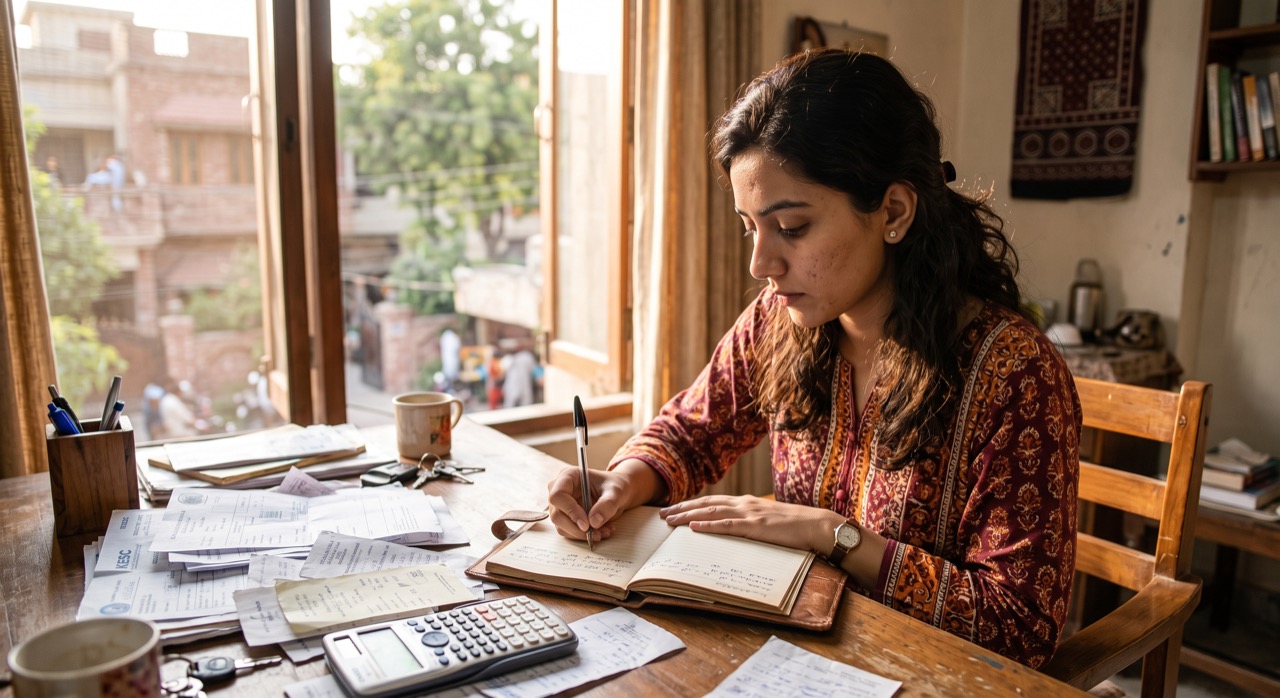
Pakistan's startup scene has grown loud over the last decade — accelerators in Karachi and Lahore, funding rounds making headlines, and a steady stream of young founders quitting stable jobs to build something of their own. But behind the success stories are hundreds of quieter ones: founders who burned through savings, lost co-founders to fallouts, or shut down within eighteen months. Talk to enough of them privately and the same five lessons come up again and again. None of these require luck or connections — just knowing what to watch for before it costs you money and morale.
1. Cash Flow Kills Faster Than Competition
Most first-time founders obsess over the product and underestimate how brutal cash flow discipline needs to be, especially in a market with currency volatility and slow B2B payment cycles. A startup rarely dies because a competitor outbuilt it — it dies because payroll was due and the bank account was empty.
- Keep at least 4-6 months of runway visible at all times, not just at fundraising time.
- Invoice on shorter terms than feels comfortable — 15 days, not 60 — because chasing payment from a client in Pakistan can easily eat a month.
- Separate personal and business accounts from day one; mixing them makes it impossible to know your real burn rate.
- Don't hire ahead of revenue just because a competitor is hiring. Headcount is the easiest cost to add and the hardest to reverse.
2. Pick Co-Founders Like You're Picking Family, Not Friends
A huge share of failed startups here didn't fail on the market — they failed on the founding team. Splitting equity with a college friend because the friendship felt solid is a different decision than splitting equity with someone whose work ethic and conflict style you've actually tested under pressure.
- Work on something small and stressful together before committing to a company — a weekend project, a freelance gig, anything with a real deadline.
- Put vesting schedules in writing from the start (commonly a 4-year vest with a 1-year cliff), even between best friends. It protects everyone if someone leaves early.
- Agree in advance on who has final say when you disagree. Two equal co-founders with no tie-breaker is a recipe for stalemate at the worst possible moment.
"I registered my company, printed business cards, and rented an office before I had a single paying customer. I wish someone had told me revenue validates an idea — nothing else does." — a Lahore-based SaaS founder, reflecting on his first venture
3. Talk to Customers Before You Build Anything
It's tempting to disappear for six months and build the "complete" product before showing it to anyone. Founders who've been through a shutdown almost universally say they built too much, too early, based on assumptions instead of conversations.
- Talk to at least 20-30 potential customers before writing serious code — not to pitch them, but to understand their actual problem and how they currently solve it.
- Launch a rough version fast and let real usage — not friends' opinions — tell you what to fix next.
- Be honest about vanity metrics. Downloads and sign-ups mean little if people aren't coming back or paying.
4. Formalize the Boring Stuff Early
Legal and financial structure feels like a distraction when you're moving fast, but skipping it early almost always costs more later — in disputes, in tax penalties, or in scaring off investors during due diligence.
- Register your business properly with the Securities and Exchange Commission of Pakistan (SECP) once you're past the idea-testing stage — it's faster and cheaper than fixing an unregistered mess later.
- Keep basic bookkeeping from month one, even if it's a simple spreadsheet. Retroactively reconstructing eight months of transactions is painful and error-prone.
- If you're raising money or bringing on a co-founder, get a written agreement reviewed by a lawyer — a verbal understanding is not a contract.
None of these lessons are glamorous, and none of them guarantee success. But founders who've been through the wringer say the same thing: most early failures weren't about a bad idea — they were about avoidable, unglamorous mistakes made in the first year. Get the fundamentals right, and you at least give your idea a fair chance to prove itself.
Roman Urdu
Pakistan mein startup culture tezi se barh raha hai, lekin jitni success stories nazar aati hain, utni hi khamoshi se bohat se founders apni savings ganwa baithte hain ya achi team ke jhagron ki wajah se company band kar dete hain. Jo founders is tajurbay se guzray hain, un sab ki baat mein kuch common lessons milte hain.
Cash flow sab se pehle: Startup competitor ki wajah se nahi, khali bank account ki wajah se marta hai. Hamesha 4-6 mahine ka runway saamne rakhein, payment ki terms short rakhein (15 din, 60 nahin), aur personal aur business account ko shuru se hi alag rakhein.
Co-founder ko soch samajh kar chunein: Sirf dosti ki bunyad par equity split karna khatarnak ho sakta hai. Koi chhota, stressful kaam pehle saath karein taake pata chale ke pressure mein woh insaan kaisa react karta hai. Vesting schedule likhwa lein — dosti ke bawajood.
"Maine company register karwa li, cards chhapwa liye, office bhi le liya — lekin ek bhi paying customer nahi tha. Kaash koi mujhe pehle bata deta ke sirf revenue hi idea ko sach saabit karta hai." — ek Lahore-based SaaS founder
Product banane se pehle customers se baat karein: Kam az kam 20-30 log dhoondein aur unka asli masla samajhein, sirf apna pitch na dein. Jaldi ek chhota version launch karein aur real usage se seekhein — sirf downloads ya sign-ups pe khush na hon.
Formalities ko waqt par complete karein: Business ko SECP ke saath register karwayein jab idea test ho chuka ho. Pehle din se hisaab kitaab rakhna shuru karein, aur agar funding le rahe hain ya co-founder la rahe hain to likhit agreement zaroor banwayein.
Ye sab baatein chamakdaar nahi lagti, lekin jin founders ne apni pehli company kho di, unka kehna hai ke zyada tar wajah idea kharab hona nahi tha — bunyadi cheezon ko nazarandaz karna tha. Agar shuru se hi ye cheezein durust rakhi jayein, to idea ko sahi mauqa milta hai.