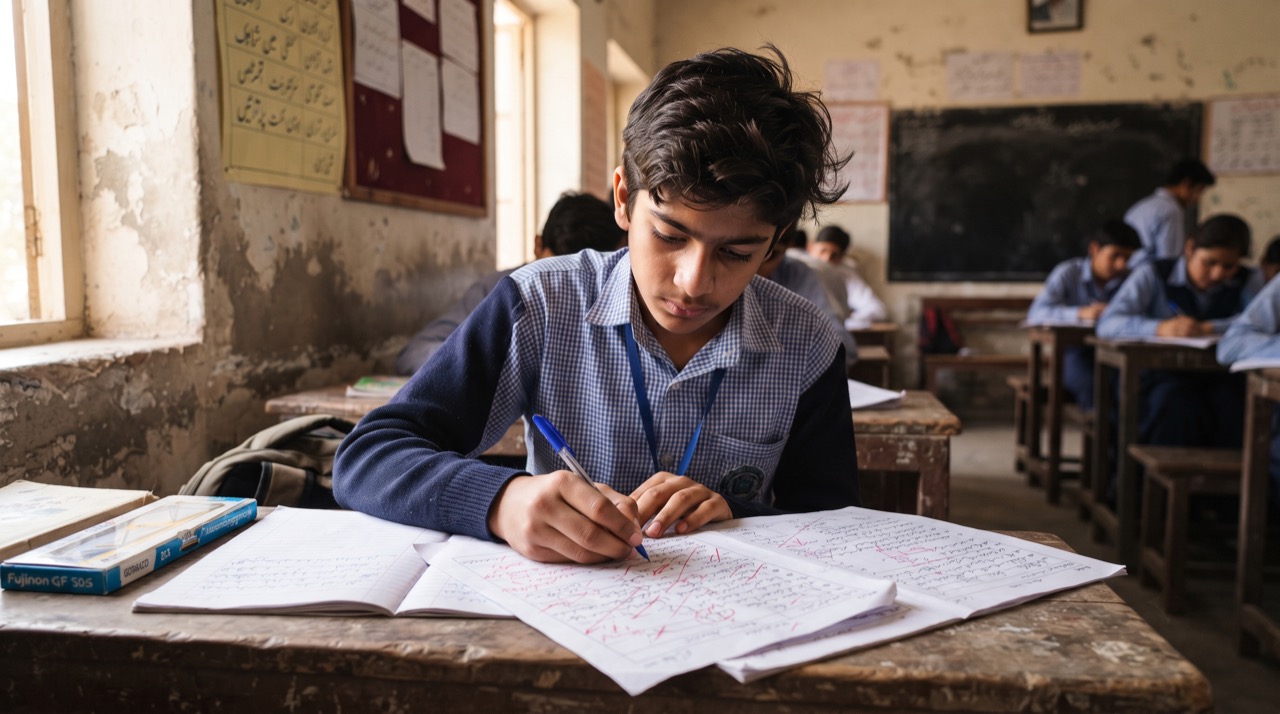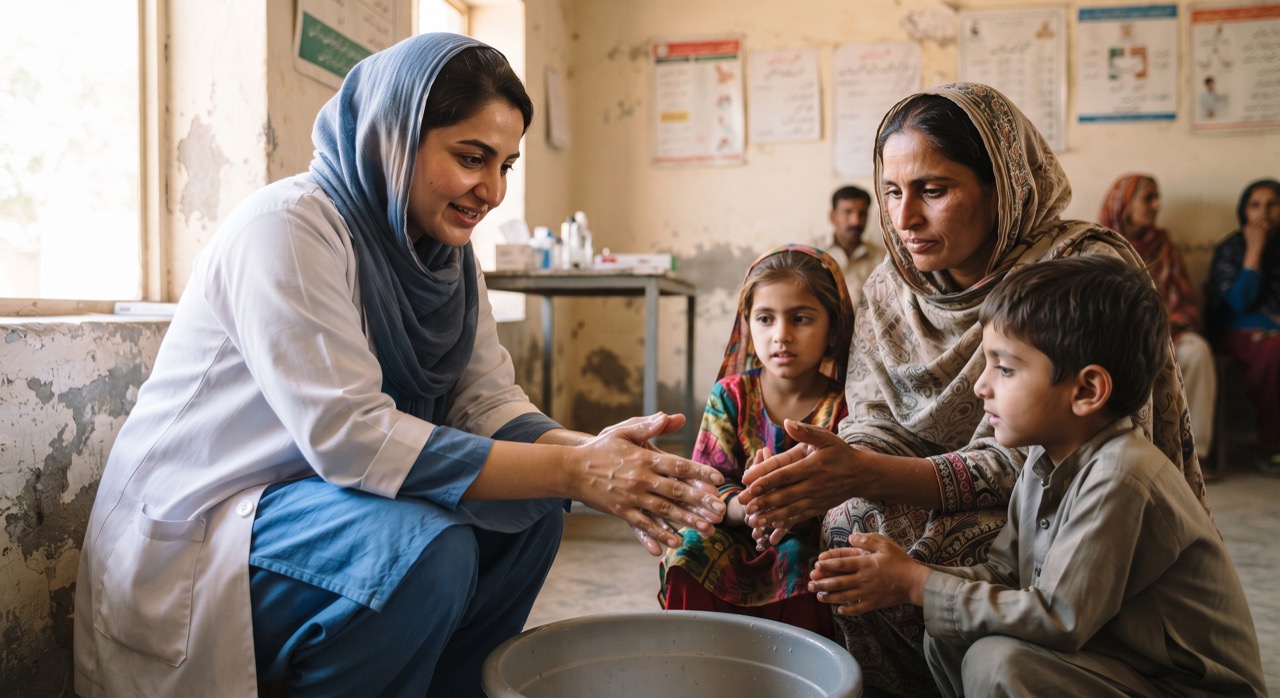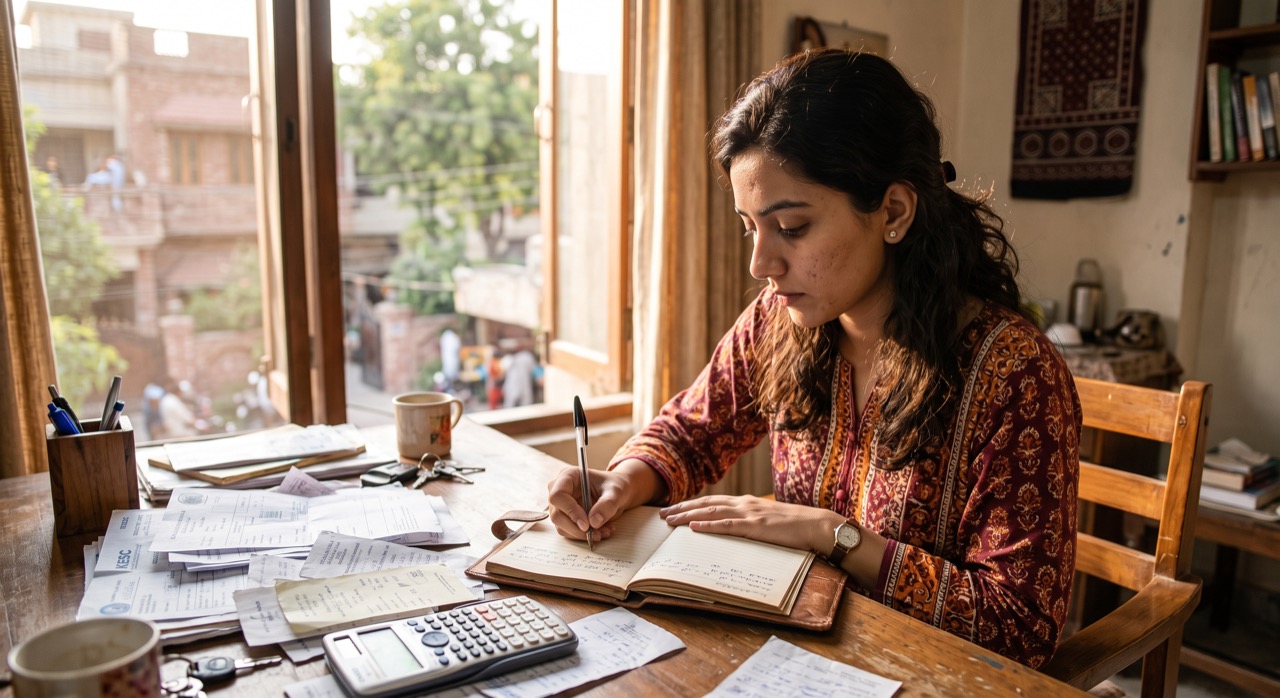
There is a quiet myth in our society that learning belongs to the young — that once you cross 50, your role is to guide others, not to sit as a student yourself. It is simply not true. The brain does not retire when your job does. In fact, giving your mind a fresh challenge in your 50s, 60s, or 70s is one of the most powerful things you can do for your memory, mood, and sense of purpose. Whether it is learning Urdu calligraphy, using a smartphone properly, growing vegetables on your rooftop, or finally picking up the harmonium you always wanted to play, the science and the everyday experience of thousands of Pakistani grandparents, retirees, and homemakers say the same thing: new skills keep life interesting.
Why Your Brain Still Loves a Challenge
Neuroscientists call it neuroplasticity — the brain's lifelong ability to form new connections between neurons, no matter your age. Every time you struggle with something unfamiliar, whether it is a new recipe, a new language, or a new craft, your brain builds fresh pathways to cope with it. This is very different from passive activities like watching TV, which ask almost nothing of your mind. The World Health Organization notes that mental stimulation, alongside physical activity and social connection, is one of the key protective factors for healthy ageing and lowered risk of cognitive decline.
Skills Worth Trying After 50
You do not need anything expensive or complicated to start. Some ideas that work especially well for Pakistani households:
- A new language or script — improving your English, learning Arabic for a deeper connection to the Quran, or picking up basic Punjabi/Pashto/Sindhi if you did not grow up with it. Free apps like Duolingo make daily practice easy on a phone.
- Digital skills — video calling grandchildren abroad, online banking, using Google Maps, or sending voice notes confidently on WhatsApp.
- A craft or art form — khattati (calligraphy), embroidery, miniature painting, or woodworking.
- Music — harmonium, tabla, rabab, or simply learning to sing properly.
- Kitchen gardening — growing herbs, chillies, or tomatoes in pots on a balcony or rooftop.
- Cooking a new cuisine — teaching yourself a regional dish you never made, from Chapli Kabab to South Indian dosas.
- A game of the mind — chess, carrom, or card games that sharpen strategic thinking.
How to Start Without Feeling Overwhelmed
- Begin with just 15–20 minutes a day rather than a big weekly commitment — consistency beats intensity.
- Use free resources first. Sites like Khan Academy and YouTube tutorials in Urdu or English cost nothing and let you learn at your own pace.
- Ask a grandchild or younger relative to be your "tech buddy" for the first few sessions — it also strengthens the family bond.
- Join a local class at a community centre, mosque, or cultural association; learning alongside others keeps you accountable and adds a social element.
- Keep a small notebook of progress — writing down even small wins builds motivation for the next day.
- Expect mistakes and slow days. Progress after 50 is not about speed; it is about steady, patient repetition.
The Bonus Beyond the Skill Itself
Learning something new after 50 rarely stays just about the skill. It becomes a reason to leave the house, meet new people, and have fresh conversations at family gatherings. It gives structure to retirement, replaces boredom with anticipation, and often becomes something you can pass on to your children and grandchildren — turning your effort into a legacy.
A mind that keeps learning never grows old — it simply grows wiser, one new skill at a time.
The best time to begin was years ago. The second-best time is today. Pick one small thing, give it twenty minutes tomorrow morning, and let curiosity do the rest.
Roman Urdu
Hamare samaj mein ek ghalat khayal hai ke seekhna sirf jawano ka kaam hai — ke 50 saal ke baad insaan sirf sikhata hai, khud nahi sikhta. Ye baat bilkul sahi nahi. Dimagh kabhi retire nahi hota. Naya kaam seekhna — chahe wo Urdu khattati ho, smartphone chalana ho, ya rooftop par sabziyan ugana ho — zehni sehat, mood aur zindagi mein rौnaq ke liye behtareen tareeqa hai.
Dimagh Kyun Naye Challenge Pasand Karta Hai
Science mein isay neuroplasticity kehte hain — dimagh ki wo salahiyat jo har umar mein nayi connections banati hai. Jab bhi aap koi nayi cheez seekhte hain, dimagh naye raaste banata hai. TV dekhne jaisi passive activities ke muqable mein, naya kaam seekhna dimagh ko zyada faida deta hai aur bhulne ki bimariyon ka khatra kam karta hai, jaisa World Health Organization ne bhi bataya hai.
Kya Seekhein
- Nayi zaban ya Arabic seekhna — Duolingo jaisi free app se roz thodi practice.
- Digital skills — video call, online banking, WhatsApp confidently use karna.
- Khattati, kadhai, ya painting jaisa hunar.
- Harmonium ya tabla bajana seekhna.
- Balcony ya chhat par kitchen gardening.
- Nayi dish banana seekhna.
- Chess ya carrom jaisi dimaghi games khelna.
Shuruat Kaise Karein
- Roz sirf 15-20 minute dein, lambi commitment ki zaroorat nahi.
- Khan Academy jaisi free websites aur YouTube tutorials istemal karein.
- Pote-poti ya chote bhai-behen ko apna "tech buddy" banayein.
- Mohalla ya masjid ki class join karein — sath mein seekhna asaan hota hai.
- Chhoti diary mein apni pragati likhte rahein.
- Ghaltiyan honi hain — sabar rakhein, raftar zaroori nahi, tasalsul zaroori hai.
A mind that keeps learning never grows old — it simply grows wiser, one new skill at a time.
Naya hunar sirf hunar tak mehdood nahi rehta — ye ghar se bahar nikalne, naye logon se milne aur pote-poti ke liye ek misaal banne ka zariya ban jata hai. Kal subah 20 minute nikal kar koi ek chhoti cheez shuru karein — baqi khud-baa-khud ho jayega.