There is a particular kind of satisfaction that comes from helping someone with nothing expected in return. It does not require a large bank balance, a formal organisation, or hours of free time you do not have. In Pakistan, where extended families, mohallas, and mosque communities have always leaned on each other, the instinct to give is already part of daily life — it just needs a small nudge to become a regular habit rather than an occasional gesture. This piece looks at practical, low-effort ways ordinary people can start volunteering this month, not "someday."
Start With What Is Already Around You
The biggest myth about volunteering is that it has to be dramatic — building a school, running a food drive for hundreds of people. In reality, the most sustainable giving starts hyper-local, because it costs less time and travel, and you can see the impact directly.
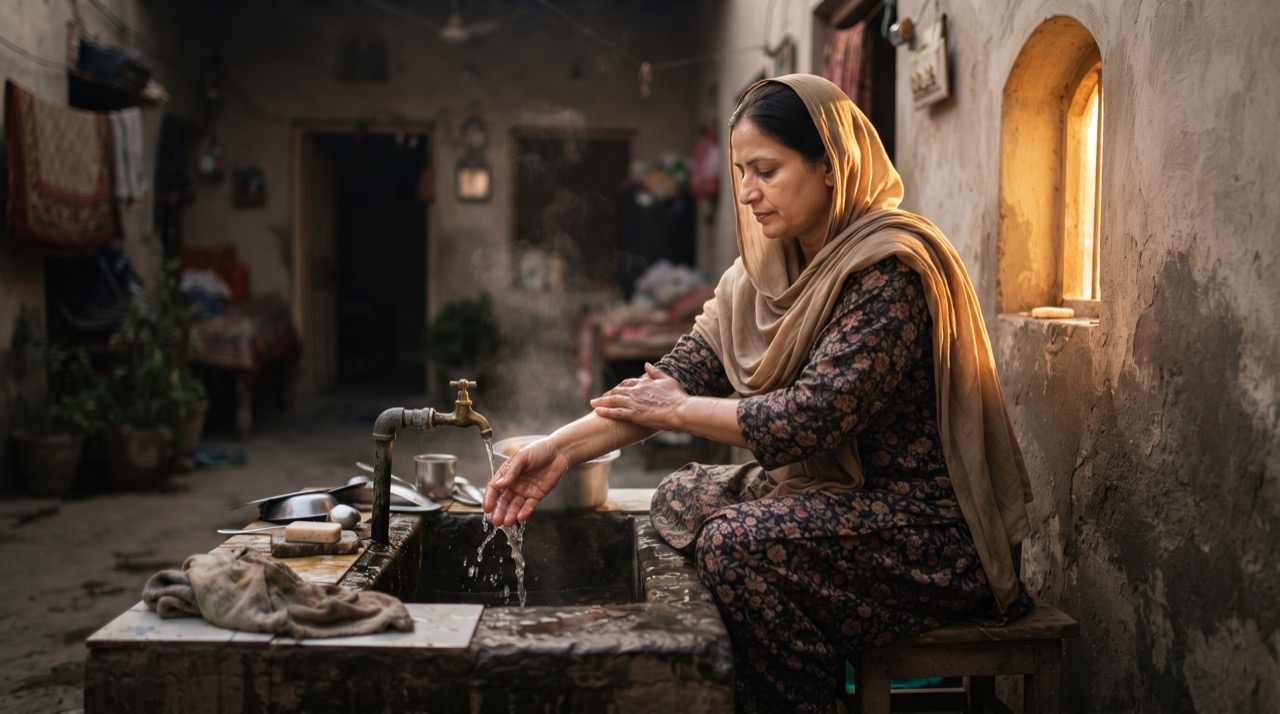
- Check on elderly neighbours. A 15-minute visit or a phone call to an elderly neighbour living alone, especially during Karachi's summer heat or Lahore's winter smog days, can genuinely matter for their safety and mood.
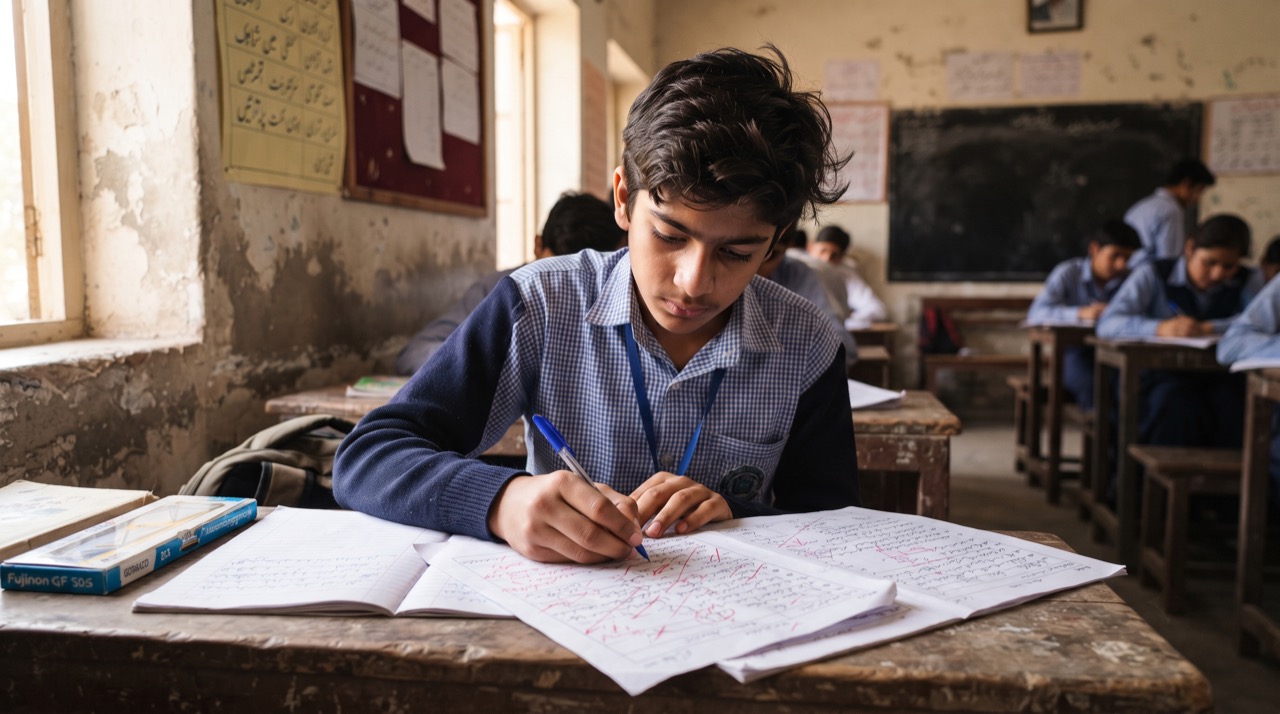
- Tutor a child for free. If you are decent at maths, English, or Urdu, an hour a week teaching a domestic worker's child or a cousin who is falling behind in school compounds into real opportunity over a year.
- Donate skills, not just money. A tailor can stitch a few free school uniforms before Eid. A driver can offer a free ride to an elderly patient going for dialysis. A graphic designer can make a poster for a local mosque's Ramadan food drive.
- Clean up shared spaces. Spending one Sunday morning a month picking up litter in a local park or street with a few neighbours is low-cost, visible, and often pulls in more volunteers once people see it happening.
Use Existing Platforms Instead of Starting From Zero
You do not need to build an NGO to contribute — plugging into an established one is faster and your effort goes further immediately.
- Edhi Foundation accepts volunteers and donations year-round for ambulance services, shelters, and orphan care across the country — see edhi.org for how to get involved.
- Akhuwat runs interest-free microfinance and welfare programs and regularly needs volunteers for outreach and documentation — details at akhuwat.org.pk.
- Shaukat Khanum Memorial Cancer Hospital has a structured volunteer program for patient support and fundraising events — see shaukatkhanum.org.pk.
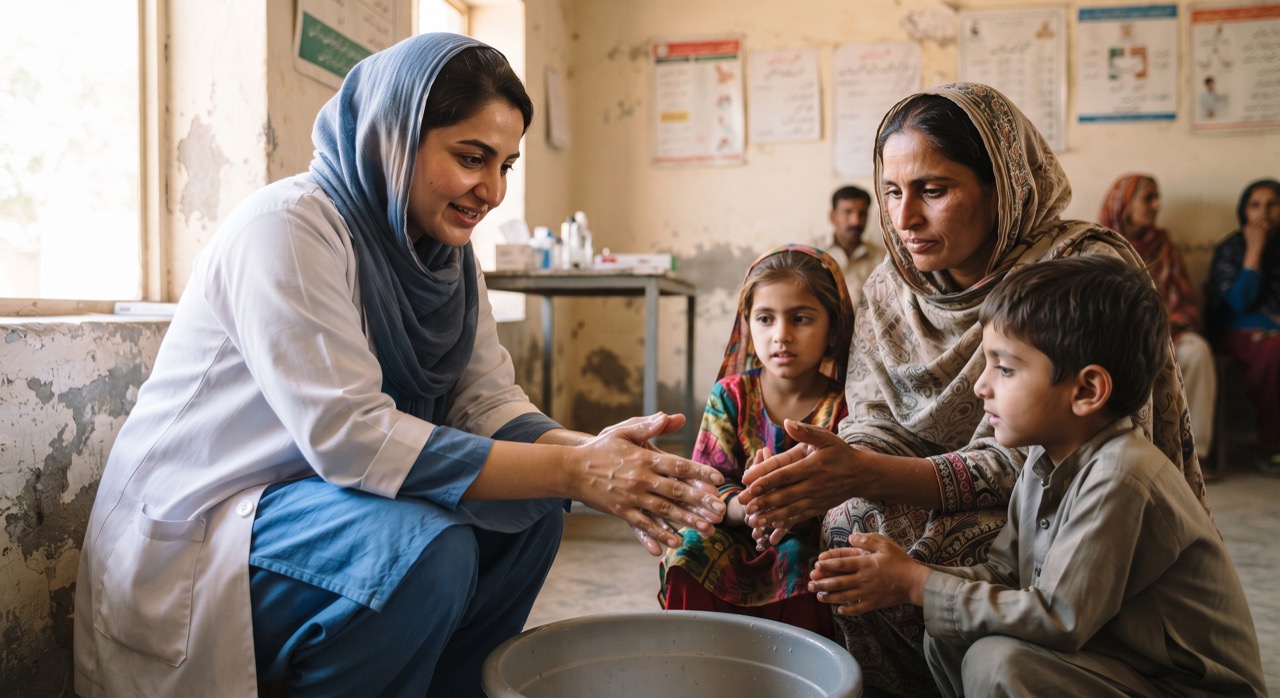
- SIUT (Sindh Institute of Urology and Transplantation) and Indus Hospital also take volunteers for patient facilitation and blood donation drives, both of which are always short on donors.
Reaching out to one of these is often just a WhatsApp message or a form on their site — far less effort than most people assume.
Make Giving a Habit, Not an Event
Motivation fades; systems don't. The people who volunteer consistently usually attach it to something they already do.
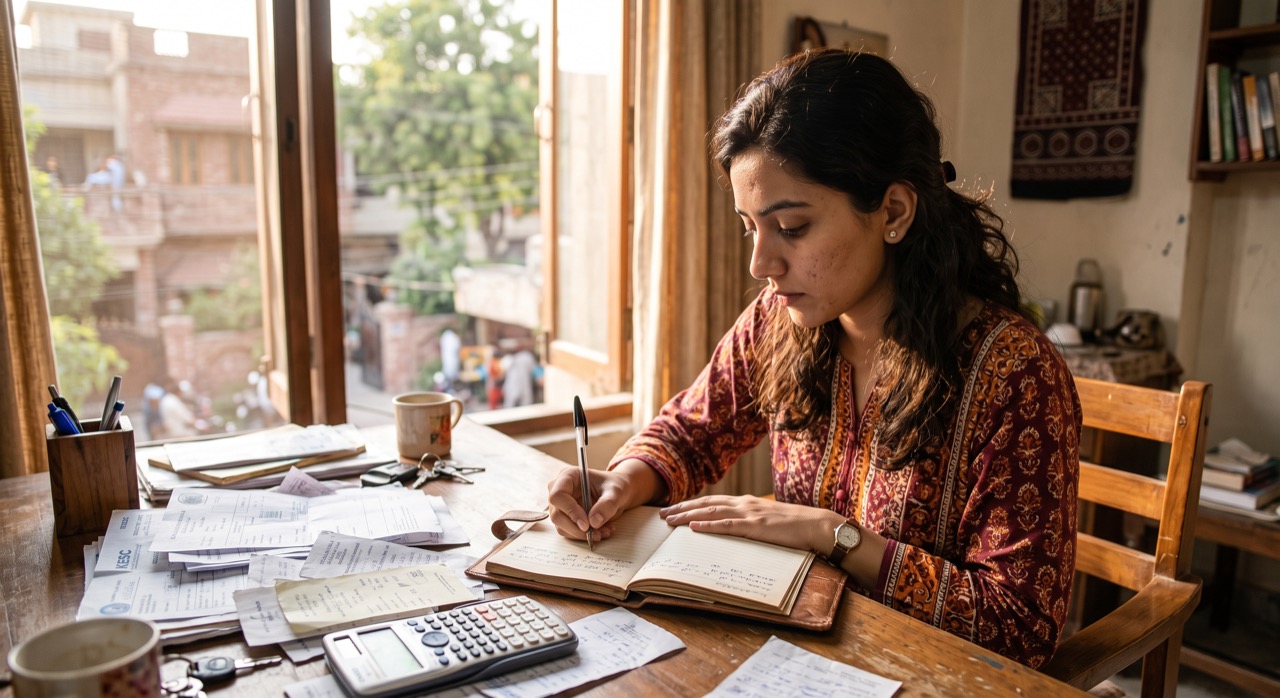
- Set aside a fixed, small amount from every salary — even Rs. 500 — for a cause you trust, on the same day each month, like a bill.
- Pair giving with a routine you already have: donate old clothes every time you do a wardrobe clear-out, not "eventually."
- Involve your family or friend group — a shared WhatsApp group for organising a monthly ration drop-off to a needy family keeps everyone accountable.
- Track it loosely — a simple note in your phone of who you helped and when — so the habit feels real and visible over a year, not forgettable.
"The best way to find yourself is to lose yourself in the service of others." — Mahatma Gandhi
Why This Actually Matters for You
Volunteering is not purely selfless — it reliably improves the giver's own mental state. Structured helping activity gives a sense of control and purpose that is hard to manufacture any other way, especially during stretches of unemployment, grief, or general stagnation. It also builds a wider, more resilient social network: people who volunteer together tend to become real friends, not just acquaintances. In a country facing real economic pressure, this kind of community-level mutual support is not a luxury — it is one of the most practical safety nets available, and it starts with one small act this week.
Roman Urdu
Dusron ki madad karne mein aik alag hi sukoon hota hai — is ke liye zaroori nahi ke aap ke paas paisa ya bohat sara waqt ho. Pakistan mein to mohalla aur family system pehle se hi aik dusre ki madad par khara hai, bas isay aik aadat banane ki zaroorat hai.
Apne aas paas se shuru karein: Akele rehne wale buzurg parosi ka haal-chaal poochna, kisi bachay ko hafte mein aik ghanta free tuition dena, ya apni skill (tailoring, driving, design) kisi zarurat-mand ke liye istemal karna — ye sab bade asar wale kaam hain jo bilkul asaan hain. Mohalle ki safai ke liye mahine mein aik din nikalna bhi log dekh kar khud judte hain.
Mojooda platforms ka istemal karein: Khud se NGO banane ki bajaye, pehle se chal rahe idaron se juden — jaise Edhi Foundation, Akhuwat, ya Shaukat Khanum. Inhein volunteers aur donations dono ki hamesha zaroorat rehti hai, aur shamil hona sirf aik message ya form jitna asaan hai.
Madad ko aadat banayein: Har mahine tankhwah se thora hissa (chahe Rs. 500 hi ho) kisi bharosemand cause ke liye alag rakhein, jaise koi bill ho. Purane kapre nikalte waqt hamesha donate karein, aur agar mumkin ho to family ya dost group ke sath milkar kisi zarurat-mand family ko monthly ration dein.
"Insan apne aap ko dusron ki khidmat mein hi sahi tarah pehchanta hai." — Mahatma Gandhi ke qaul ka mafhoom
Ye sirf dusron ke liye nahi — khud apke liye bhi faida mand hai. Jab bhi zindagi mushkil lage, kisi aur ki madad karna aik maqsad aur sukoon deta hai jo aur kahin se nahi milta. Chota sa qadam is hafte hi utha lein.