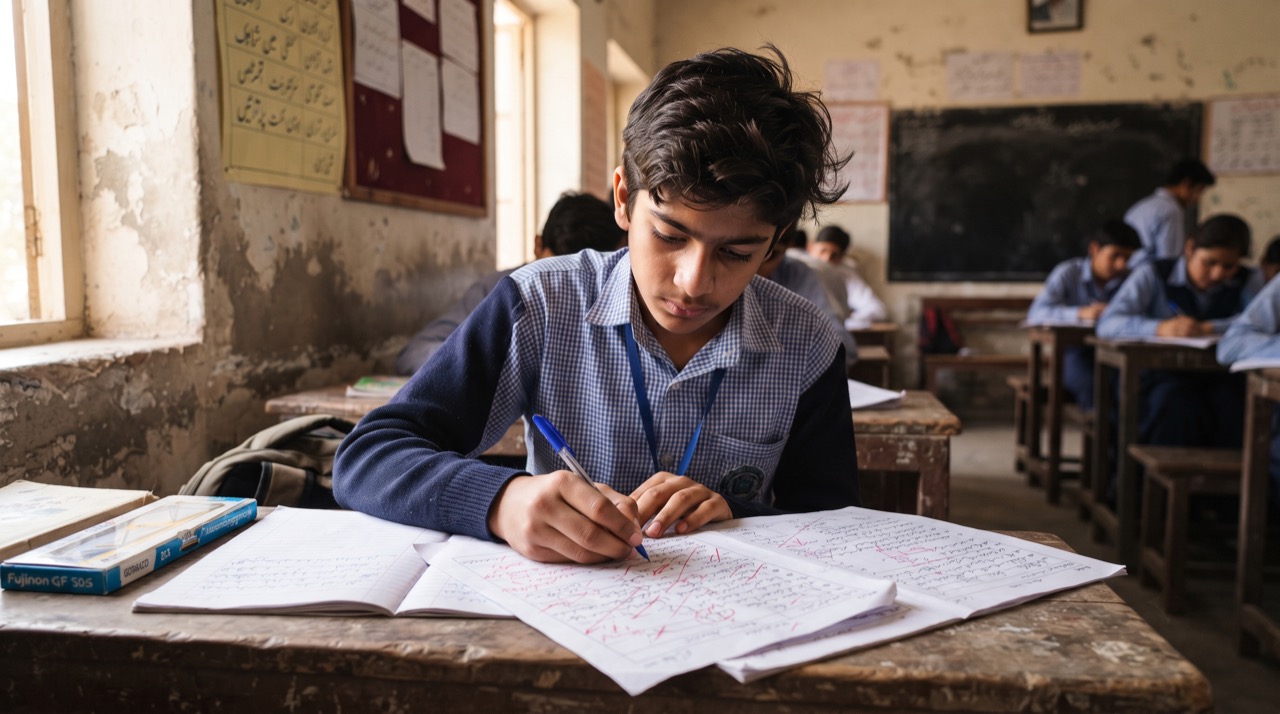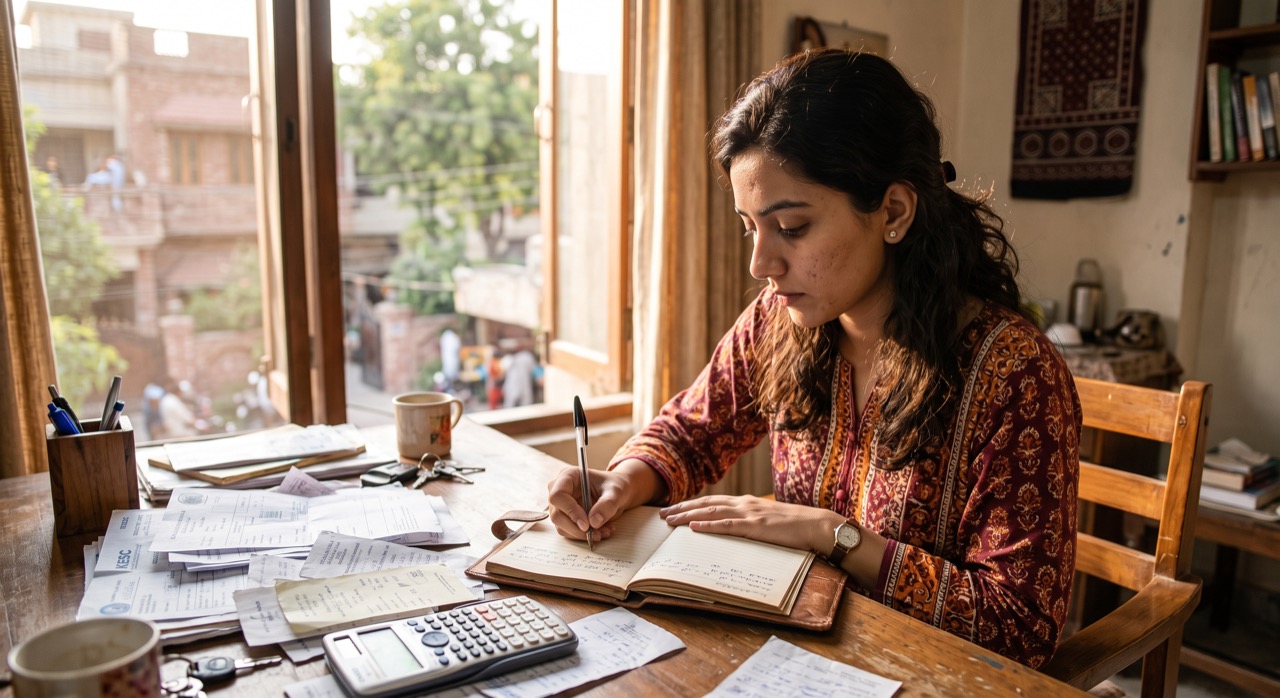
The result is out, and it is not what you hoped for. Right now your chest feels tight, your phone has notifications you don't want to open, and a small voice is telling you that this one paper defines your whole future. It doesn't. A bad result is data, not a verdict on who you are. This guide gives you a calm, structured 7-day plan to process the emotional hit and rebuild a practical path forward — whether the exam was a school test, board exam, entry test, or a university paper.
Day 1-2: Let Yourself Feel It, Then Contain It
Suppressing disappointment usually makes it louder later. Give yourself a defined window — not indefinite wallowing — to feel bad on purpose.
- Set a timer, literally. Allow 24-48 hours to be upset, cry if you need to, vent to one trusted person. Then consciously shift into recovery mode.
- Name the emotion instead of the identity. Say "I feel like a failure right now" instead of "I am a failure." One is a passing state; the other is a false, sticky label.
- Avoid big decisions in these 48 hours. Don't quit a subject, don't announce you're changing your career, don't fire off angry messages to teachers or parents. Emotional decisions made in the first two days are rarely the ones you'll agree with in a week.
- Move your body. A 20-minute walk, cricket with friends, or even household chores physically discharges stress hormones better than sitting alone scrolling.
Failure is simply the opportunity to begin again, this time more intelligently. — Henry Ford
Day 3-4: Get Honest Data, Not Assumptions
Vague self-blame ("I'm just bad at studies") is useless because it can't be fixed. Specific diagnosis can be.
- Get your answer sheet or marks breakdown if possible. Many boards and universities allow rechecking or viewing of scripts — ask your institution's exam office directly rather than guessing.
- Sort mistakes into three buckets: (1) didn't know the concept, (2) knew it but ran out of time, (3) knew it but misread the question or made a careless slip. Each bucket needs a completely different fix.
- Talk to one teacher, not ten people with opinions. A subject teacher can tell you in five minutes whether your foundation is weak or your exam technique is the real problem.
- Write down exactly what you did in the weeks before the exam — hours slept, when you started revising, whether you attempted past papers. This becomes your baseline to change.
Day 5: Talk to Your Parents Before They Hear It From Someone Else
In many Pakistani households, the fear of "log kya kahenge" (what will people say) makes this the hardest conversation. Do it anyway, on your terms.
- Lead with the plan, not just the apology. "I didn't do well, and here is what I'm changing" lands very differently than silence followed by them finding out from a relative.
- Pick a calm moment — not right after a fight, not five minutes before they leave for work.
- If the conversation gets harsh, don't argue in the heat of it. Say "I understand you're upset, can we talk about next steps tomorrow?" and give both sides room to cool down.
Day 6-7: Build the Comeback Plan
This is where disappointment turns into direction.
- Set one small, specific next target — not "do better," but "score 15% higher in the next class test" or "clear the improvement exam if your board allows it."
- Check re-attempt and improvement options. Most Pakistani boards (BISE) and universities allow supplementary or improvement exams — check your board's official notice board or website for dates and deadlines rather than relying on rumors.
- Build a realistic weekly study block, not a 14-hour fantasy schedule you'll abandon by day two. Two to three focused hours daily beats one exhausting cram session.
- Tell one person your new plan so you have quiet accountability, not public pressure.
One bad result is a single data point in a much longer story. Students who recover well are not the ones who never fail — they're the ones who allow themselves to feel it, then get specific about what to fix. Give yourself these seven days, and then keep moving.
Roman Urdu
Result acha nahi aaya aur ab dil bhaari hai — yeh bilkul normal hai. Lekin yaad rakhein: ek paper ka result aapki poori zindagi ka faisla nahin karta. Yeh 7-din ka plan aapko emotionally aur practically wapas track par lane ke liye hai.
Din 1-2: Feel karein, phir sambhal jayein
Apne aap ko 24-48 ghante dein taake dukh feel kar sakein — royein, kisi bharosemand insan se baat karein. Lekin "main failure hoon" kehne ki bajaye "abhi mujhe bura lag raha hai" kahein — yeh farq bohot zaroori hai. Inn do dino mein koi bara faisla na lein, jaise subject chhorna ya kisi se gussay mein baat karna. Thori walk ya koi activity karein taake stress kam ho.
Din 3-4: Asal wajah maloom karein
Sirf "main padhai mein weak hoon" kehna kaafi nahi. Apna answer sheet ya marks breakdown dekhein agar mumkin ho. Ghaltiyon ko teen hisson mein baantein: concept clear nahi tha, waqt kam para, ya careless mistake hui. Kisi ek teacher se seedhi baat karein — woh aapko behtar guide kar sakte hain.
Din 5: Walidain se baat karein
"Log kya kahenge" ka dar samajh mein aata hai, lekin chup rehna masla aur barha deta hai. Sirf maafi nahi, apna plan bhi saath lekar jayein: "Result acha nahi tha, lekin main yeh karne wala/wali hoon." Sahi waqt choonein jab ghar mein sakoon ho, aur agar baat garam ho jaye to kahein "hum kal is par baat karte hain."
Din 6-7: Comeback plan banayein
Ek chota, specific target set karein — jaise agle test mein 15% behtar marks. Apne board ya university se improvement exam ya supplementary ke options check karein, sirf rumors par bharosa na karein. Roz do se teen ghante ka realistic study schedule banayein, na ke ek din mein 14 ghante padhne ka khyaali mansooba. Kisi ek qareebi insan ko apna plan batayein taake thora accountability rahe.
Yaad rakhein: ek result sirf ek moment hai, poori kahani nahi. Jo students wapas ubhartay hain, woh kabhi fail nahi hotay — balke woh apne aap ko feel karne dete hain, phir specific fix dhoondte hain. Yeh saat din khud ko dein, aur phir aage barhte rahein.