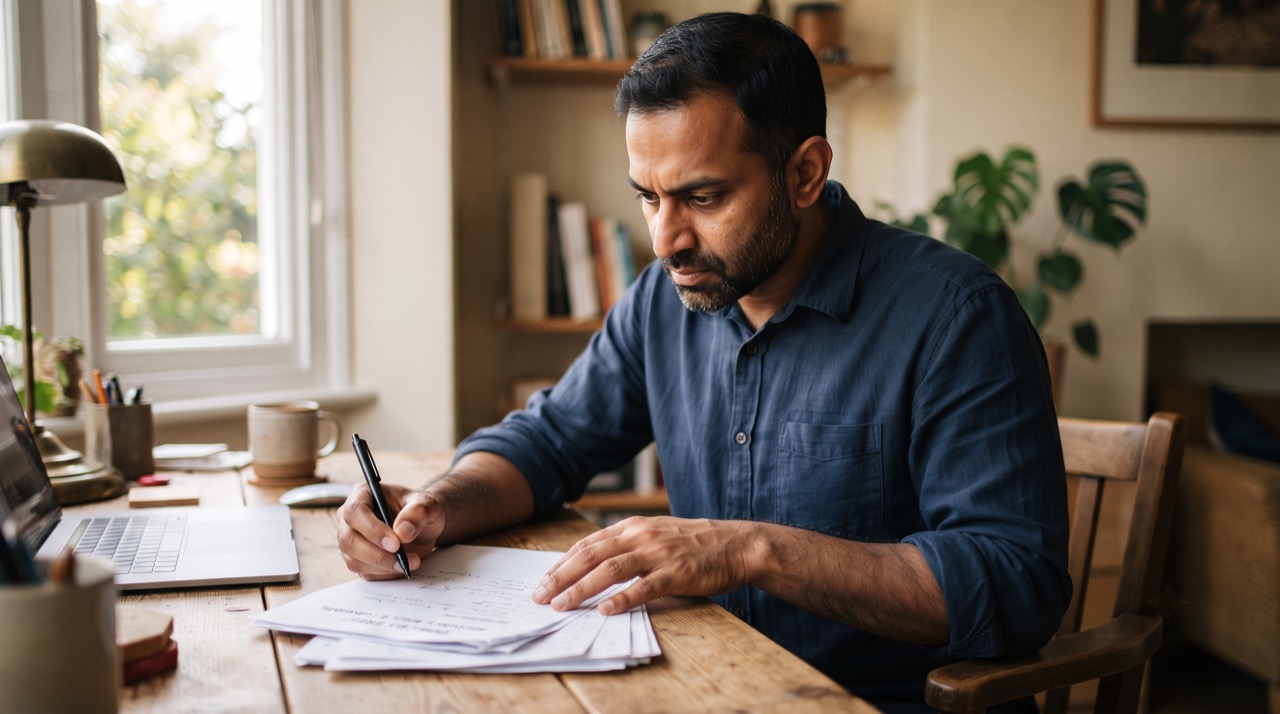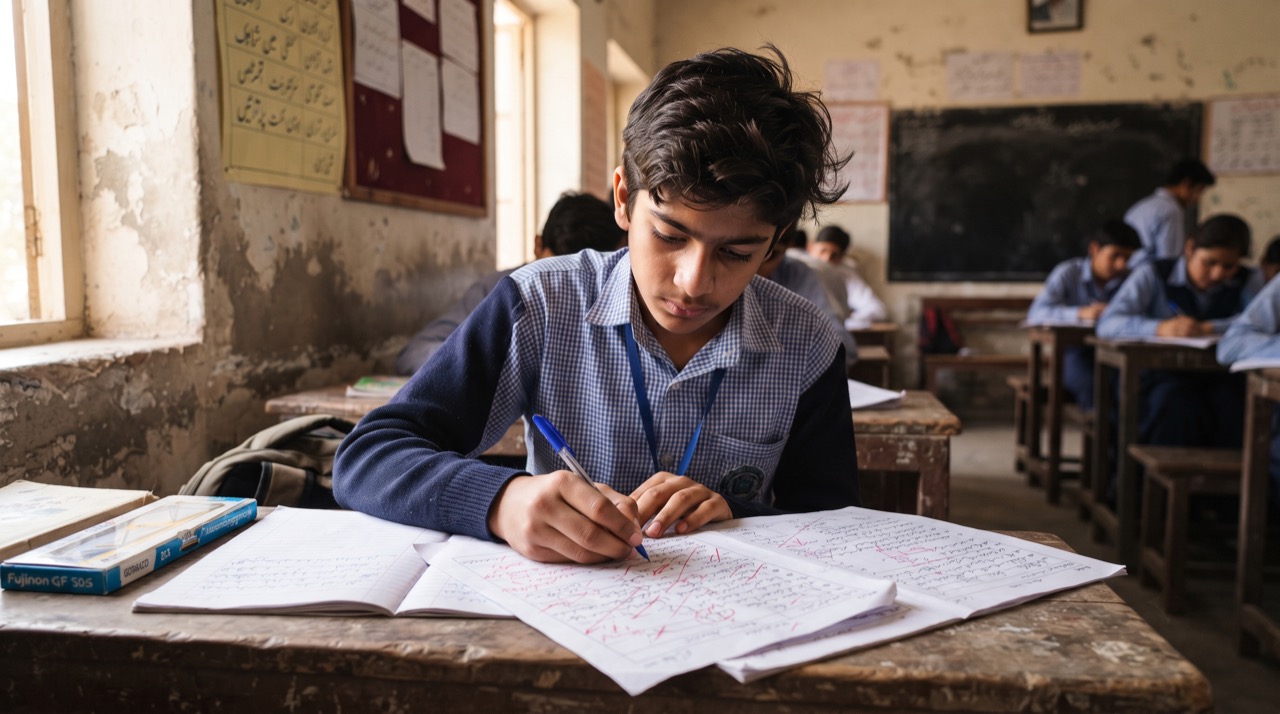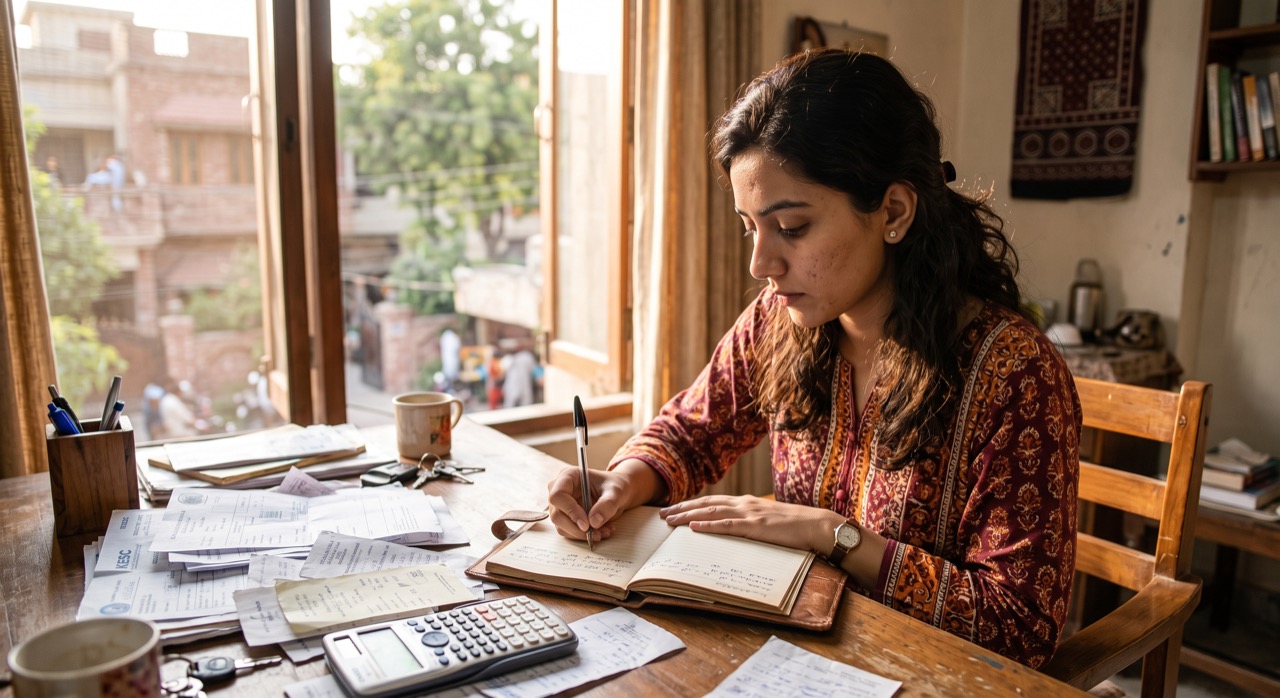
Every exam season, from matric and FSc board papers to entry tests like MDCAT, ECAT, and NTS, the same scene repeats in homes across Pakistan: a student staring at the ceiling at 2 a.m., heart racing, stomach in knots, certain they have forgotten everything they studied. Exam anxiety is one of the most common struggles students face, and it is not a sign of weakness or poor preparation. It is a physical stress response that can actually be managed with specific, practical tools. Here is what genuinely helps, before and during the exam.
Breathe First, Think Second
When anxiety spikes, your body shifts into "fight or flight" mode, flooding you with adrenaline, tightening your chest, and making clear thinking feel impossible. Slow, controlled breathing is one of the few tools that can directly calm this physical response within minutes, because it signals to your nervous system that you are safe.
- Box breathing: Inhale through your nose for 4 counts, hold for 4, exhale through your mouth for 4, hold for 4. Repeat this cycle 4 to 6 times before you enter the exam hall.
- 4-7-8 breathing: Inhale for 4 counts, hold for 7, exhale slowly for 8. This longer exhale is especially effective at lowering a racing heartbeat.
- Practice daily, not just on exam day. Like any skill, breathing techniques work best when your body already knows them. Practise for two minutes every night during exam week so it becomes automatic under pressure.
For step-by-step guided versions, the NHS breathing exercises for stress guide is a reliable, free resource.
Preparation Is the Real Anxiety Medicine
Breathing calms the body, but confidence calms the mind, and confidence comes from how you prepare, not just how much.
- Use past papers, not just notes. Solving previous years' papers under timed conditions trains your brain to retrieve information quickly, which is exactly what reduces panic during the real exam.
- Space out your revision. Cramming the night before spikes cortisol and hurts memory. Spread topics across days so your brain consolidates them properly during sleep.
- Protect your sleep the night before. A tired brain cannot regulate anxiety well. Aim for 7 to 8 hours rather than an all-nighter, even if it means covering less material.
- Prepare your logistics early. Lay out your admit card, pens, and ID the night before. Small uncertainties like "where is my roll number slip" add unnecessary panic on exam morning.
Change the Story You Tell Yourself
A huge part of exam anxiety comes from how we frame the exam itself. Telling yourself "if I fail this, my life is ruined" activates the same threat response as physical danger. Reframing the exam as a skill check, not a verdict on your worth, lowers that threat signal considerably.
An exam measures how well you answered questions on one day. It does not measure your intelligence, your future, or your value as a person.
Try replacing catastrophic thoughts with realistic ones: instead of "I'm going to blank out and fail everything," try "I have prepared, and even if I forget one answer, I can still do well overall." Say it out loud if you need to. Your brain listens to your own words more than you realise.
If You Freeze in the Exam Hall
Sometimes anxiety hits mid-exam despite every precaution. Do not panic further, use this instead.
- 5-4-3-2-1 grounding: Silently name 5 things you can see, 4 you can touch, 3 you can hear, 2 you can smell, and 1 you can taste. This pulls your mind out of panic and back into the room.
- Skip and return. If a question freezes you, move to an easier one immediately. Momentum from answering something correctly often breaks the mental block.
- One breath cycle, then write. Do one round of box breathing at your desk, then write down anything related to the question, even a keyword. Often the full answer follows once you start.
Roman Urdu
Har saal exam season mein, matric se le kar MDCAT aur ECAT jaisay entry tests tak, lakhon students ka dil dhak dhak karta hai aur hath kaanptay hain. Exam anxiety kamzori ki nishani nahi, balke jism ka ek stress response hai jisay practical tareekon se control kiya ja sakta hai.
Saans Pehle, Sochna Baad Mein
Jab anxiety barhti hai to jism "fight or flight" mode mein chala jata hai. Slow saans lena is response ko chand minutes mein kam kar sakta hai.
- Box breathing: Naak se 4 count saans andar lo, 4 count roko, munh se 4 count nikalo, phir 4 count roko. 4-6 dafa dohrao.
- 4-7-8 technique: 4 count andar, 7 count rokna, 8 count mein aahista bahar. Yeh dil ki dhadkan ko jaldi normal karta hai.
- Exam waale din nahi, har raat practice karo taake yeh aadat ban jaye.
Tayyari Hi Asal Ilaj Hai
- Sirf notes nahi, purane papers timed condition mein solve karo — isse dimagh fast recall seekhta hai.
- Ek raat mein sab kuch parhne ki bajaye, revision ko dinon mein phela dein.
- Exam se pehli raat neend zaroor puri karein, 7-8 ghante — raat bhar jaagna anxiety barhata hai.
- Admit card, pen, ID pehli raat hi taiyar rakhein taake subah panic na ho.
Apni Soch Badlein
"Agar fail ho gaya to zindagi khatam" jaisi soch dimagh ko khatray mein daal deti hai. Iski jagah realistic soch apnayein.
Exam sirf ek din ke sawalon ka jawab hai — yeh aapki zehanat ya aapki qeemat ka faisla nahi karta.
Agar Exam Hall Mein Freeze Ho Jayein
- 5-4-3-2-1 grounding: Chup chaap 5 cheezein jo dikh rahi hain, 4 jo chhoo saktay hain, 3 jo sunayi de rahi hain, 2 jinki khushbu aa rahi hai, aur 1 jiska zaiqa mehsoos ho — yaad karein.
- Mushkil sawal chhor kar pehle aasan sawal karein, momentum block todta hai.
- Ek box breathing cycle karein, phir sawal se related jo bhi yaad aaye likhna shuru kar dein — jawab khud khulta chala jata hai.